Do aluminium facade systems rust? A guide to anodizing and powder coating
3 min readSurface TreatmentPowder CoatingFacade

On projects by the sea in particular, or in regions with harsh climates, the corrosion resistance of facade cladding is one of the most closely researched technical details. The question comes up in almost the same words at every specification meeting: what condition will these profiles be in twenty years from now?
Rusting and oxidizing are not the same thing
Unlike metals such as iron and steel, aluminium does not rust by its nature. On contact with air it forms a natural oxide layer on its surface, and that layer protects the metal against the elements.
The difference lies in what each reaction leaves behind. The oxidation of iron — rust — produces a porous, swelling layer; it lifts away from the surface, exposes the metal beneath to a fresh reaction, and the process continues until there is no metal left. Aluminium’s oxidation stops itself: the oxide that forms is dense, transparent and bonded to the metal, sealing the surface and keeping air from reaching what lies beneath. Scratch the surface and the layer rebuilds itself.
In architectural projects, though, that natural protection is not considered sufficient; industrial surface treatments are applied for aesthetics and for extra durability. The natural oxide layer is extremely thin, and its color, texture and thickness cannot be controlled — and control is exactly what a facade needs.
Long-lasting aesthetics with electrostatic powder coating
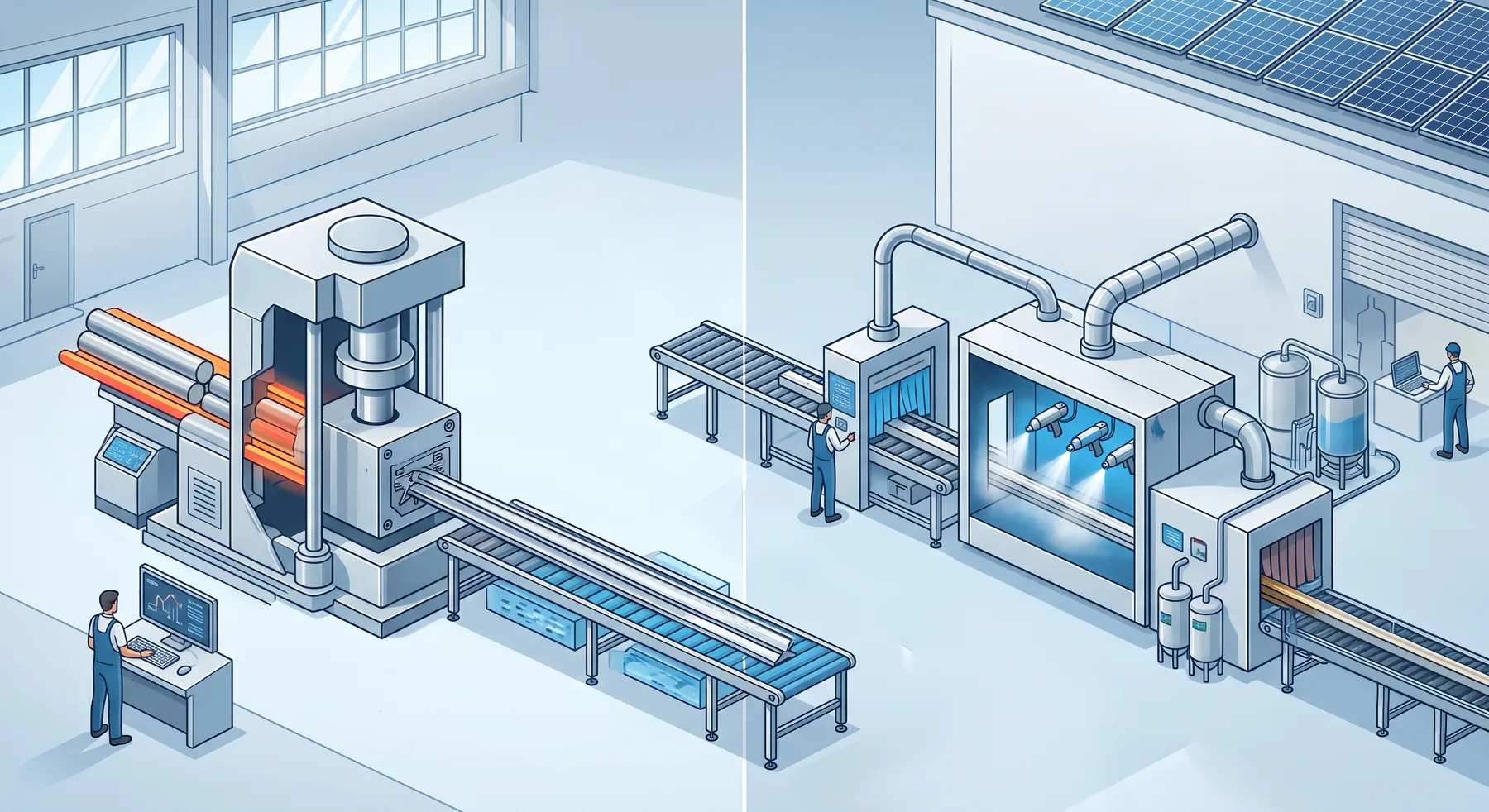
One of the most preferred surface protection methods for architectural aluminium is electrostatic powder coating. Thanks to the Nordson electrostatic coating technology on our production line, the paint particles adhere to the profile with perfect uniformity and are then cured in high-temperature ovens.
- UV resistance. It does not fade or chalk under sunlight; the color keeps its first-day intensity for years.
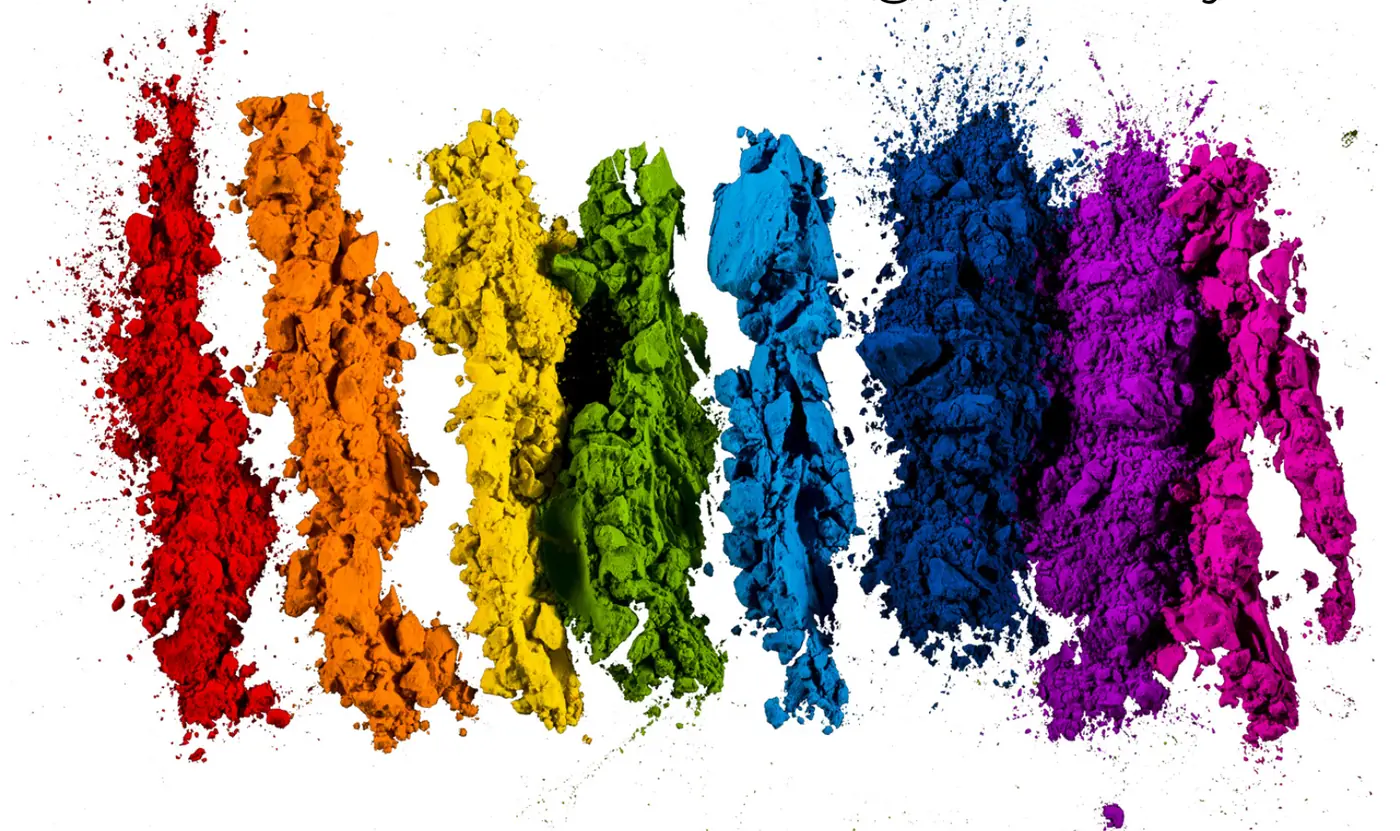
- Unlimited color choice. Because every color in the RAL catalog can be applied, the finish matches a corporate identity or an architectural concept exactly.
Uniformity here is not an aesthetic detail but corrosion performance itself. On a surface where film thickness does not drift along the profile, no weak point is left — no thin zone for salt air or industrial pollution to take hold in. Our fully automated “Power and Free” conveyor coats profiles up to 9.2 meters in a single piece, so on long facade elements the risk of a splice mark or a tone shift disappears.
Anodizing: protection from the metal itself
The second route thickens aluminium’s own oxide layer electrochemically rather than adding a film to the surface. On an anodized profile the protective layer sits inside the metal rather than on it: it cannot peel or blister, and it shows the texture of the metal rather than covering it. In exchange, the color palette is narrower than powder coating’s.
Which one is right for which project is something we set out against five concrete criteria in our powder coating and anodizing comparison.
A facade is a twenty-year decision
That aluminium does not rust is where the work starts, not where it ends. A facade facing a marine climate and a window opening onto an inner courtyard do not call for the same surface class; the right decision is read from the conditions the project will actually meet.
We produce your profiles from extrusion to coated pack under one roof, and every profile passes 50 inspection points before dispatch. To settle the right surface treatment for your facade conditions together, send us your enquiry.
Let’s start with a cross-section.
A DWG, a DXF or a dimensioned sketch is enough. Add your alloy, temper and surface treatment preference, and we will come back with die status and lead time.