Services
Thermal Break Strips
We produce PA 6.6 GF 25% thermal barriers in our own facility and insert them on our automatic line. 100% control from raw material to finished product.
- Material
- PA 6.6 · 25% glass fiber
- Expansion
- Matched to aluminium
- Production
- In our own facility
- Assembly
- Knurling · insertion · crimping

The strip that breaks the thermal bridge comes off our own line.
Maximizing the energy efficiency of buildings while preserving the aesthetics and static strength of aluminium architectural systems calls for an excellent thermal break. Designed to meet that critical need, our thermal insulation barriers are manufactured with high precision entirely within our own integrated production facilities.
We use 25% glass-fiber reinforced Polyamide 6.6 (PA 6.6 GF 25%) as our raw material, fully compliant with international norms. Keeping the production process in-house lets us hold quality under 100% control, from raw material to finished product.
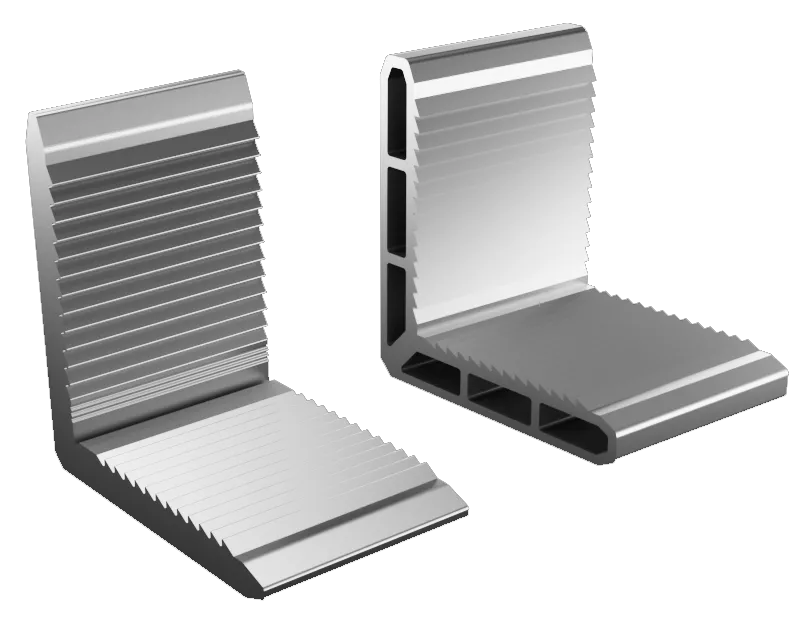
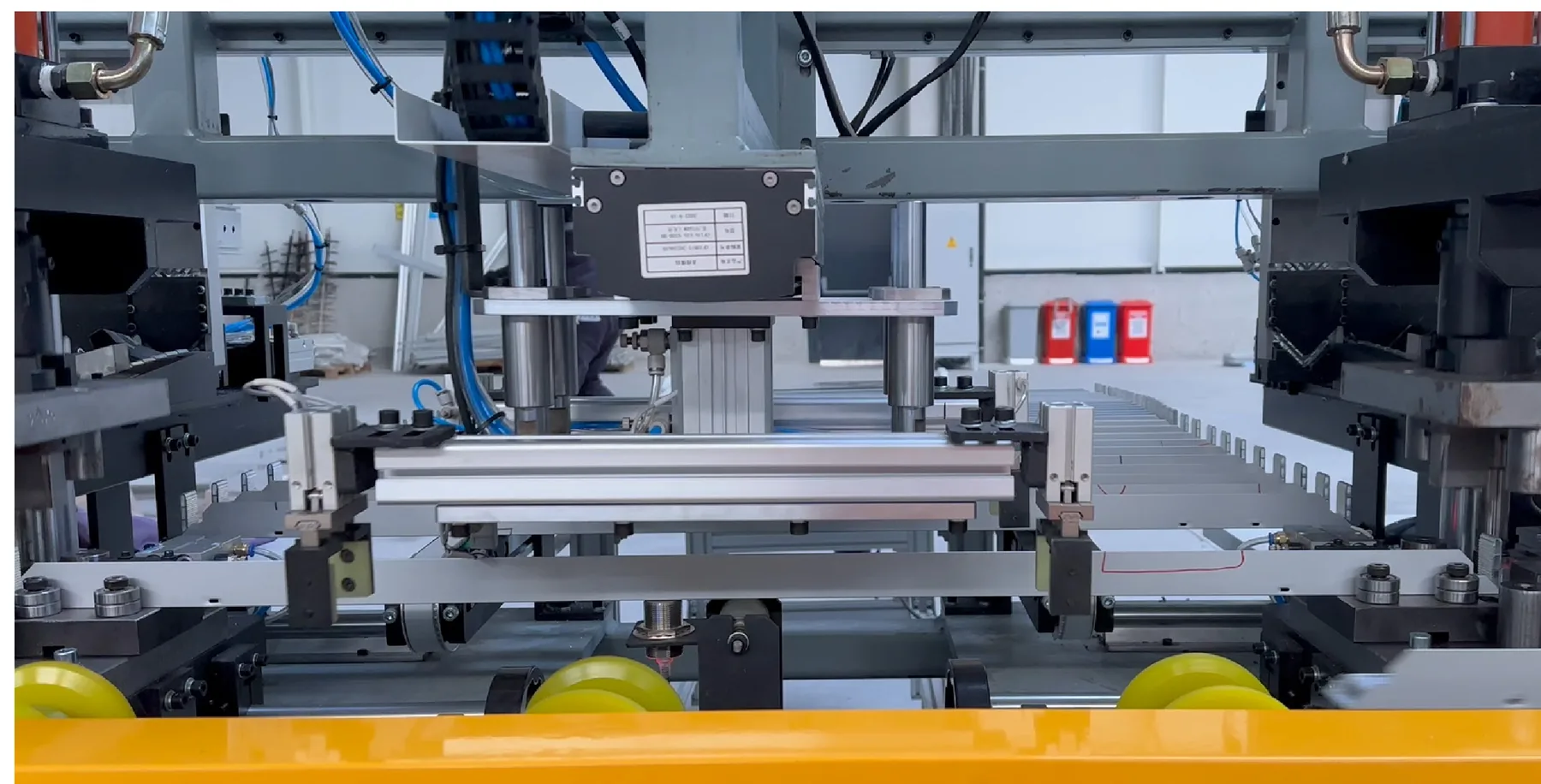
Assembly line
Automatic thermal barrier assembly line for energy-efficient architectural systems.
- 01
Knurling
- 02
Insertion
- 03
Crimping
Advantages
Maximum Thermal and Acoustic Insulation
It decisively breaks the thermal bridge between the inner and outer aluminium profiles. By blocking heat transfer it delivers high energy savings and prevents condensation.
Outstanding Mechanical Strength
The 25% glass fiber reinforcement gives the barrier extra rigidity. That yields a tensile and structural strength equivalent to the aluminium profile itself.
Thermal Expansion Matched to Aluminium
The linear thermal expansion coefficient of PA 6.6 GF 25% is virtually identical to that of aluminium. This keeps the profile from bending, bowing or deforming the system under extreme temperature swings.
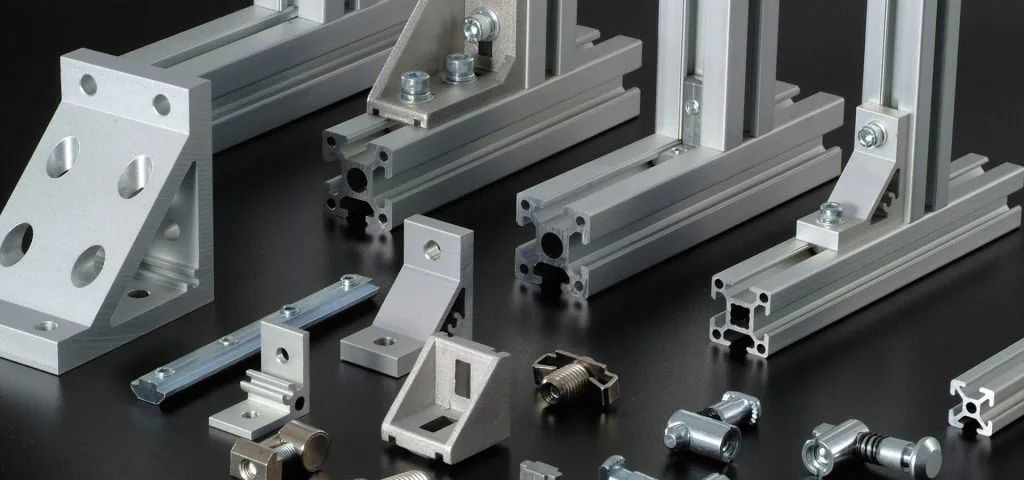
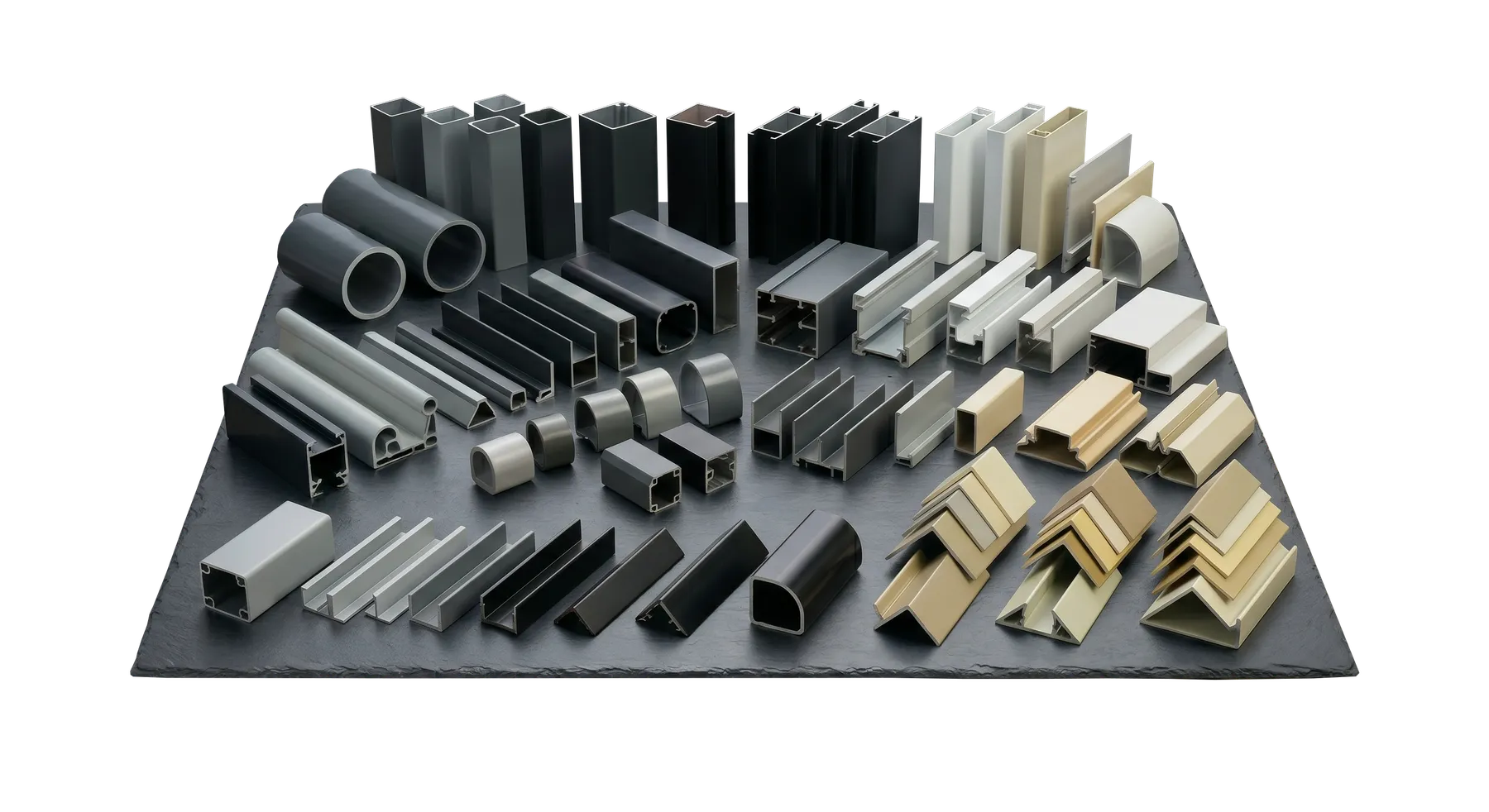
Let’s start with a cross-section.
A DWG, a DXF or a dimensioned sketch is enough. Add your alloy, temper and surface treatment preference, and we will come back with die status and lead time.